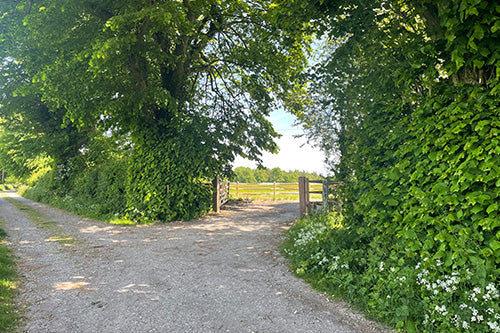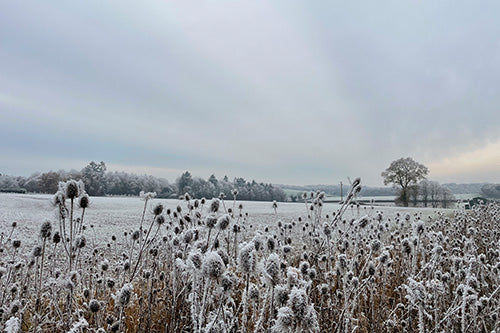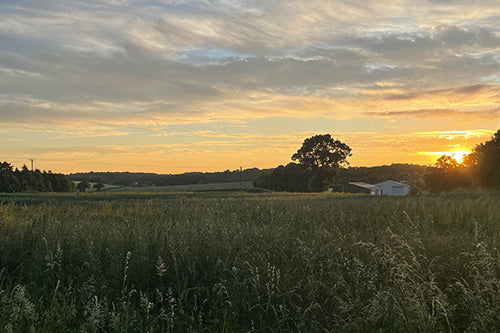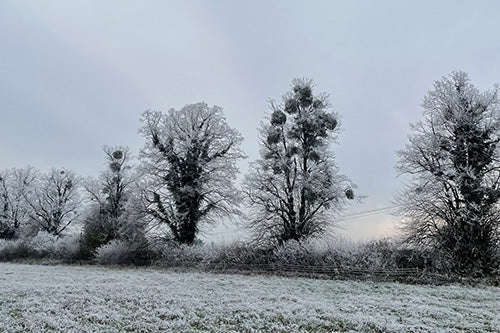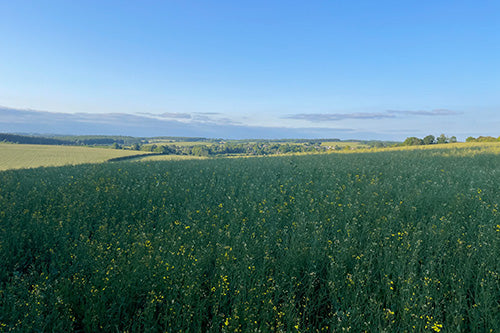

3,000 acres of North Hampshire countryside, farmed by the same family for nearly 100 years.
The land here is recorded in the Doomsday Book, farmland for as long as anyone has kept records of such things. The Colman family arrived nearly a century ago and the farm has stayed in their hands ever since, worked the way good farmland should be, with an eye on the next generation rather than just the next harvest.
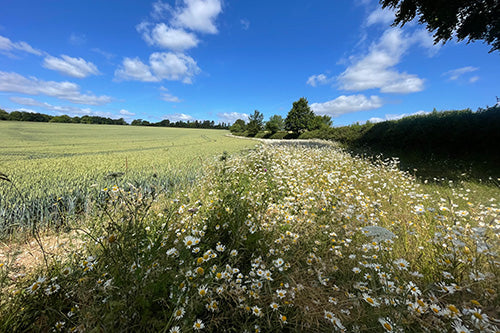
It is, first and foremost, a working farm. Arable crops grow here alongside essential oil crops, and English Black Mitcham peppermint, the crop we're best known for, is just one part of a much bigger picture, a bigger ecosystem. Call it a peppermint playground if you like. Underneath that, it's a farm doing what farms have always done, growing things well and looking after the ground they grow in.
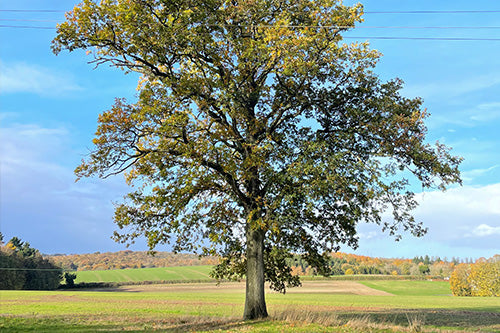
That care shows up in decisions most visitors never see. Hedgerow trims are delayed until mid November so birds can feast on the berries first. Supplementary feed goes out for wild birds from December through to March, through what farmers call the hungry gap. 186 hectares of woodland are managed carefully, season after season, for the habitats they create rather than the timber they might yield.
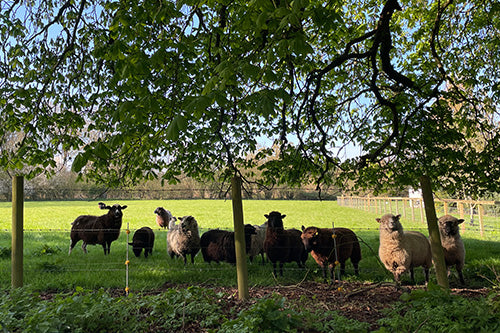
The result is a farm that's as alive as it is productive. Fieldfares, finches, woodpeckers and lapwings share the hedgerows with hares that pair and box in the open fields. Kites and buzzards circle overhead. Peacocks, chickens and guinea fowl wander with a confidence that suggests they know exactly whose land this is.
None of it happens by accident. Farming 3,000 acres for a century teaches you that the land gives back only what you put into it. At Summerdown, what goes in is time, patience and a genuine belief that this ground deserves to be handed on in better health than it was found.